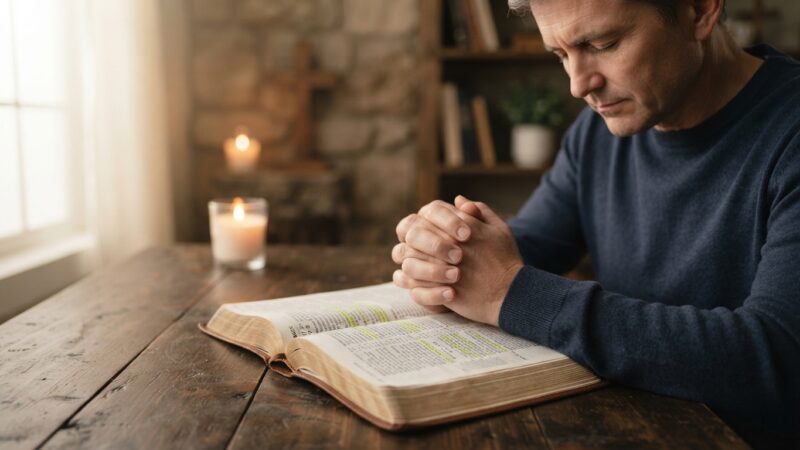
The Ultimate Guide to Prayer and Devotion in 2026

Let’s be honest: life in 2026 moves fast. Between notifications, deadlines, and the constant noise of the world, finding quiet time for prayer and devotion can feel like a luxury you just can’t afford. But here’s the truth—it’s not a luxury. It’s your spiritual lifeline.
This guide isn’t about rules or guilt trips. It’s about practical, sustainable habits that actually fit your real life. Whether you’re a seasoned believer or just starting to explore faith, you’ll find fresh ideas to make prayer and devotion feel alive again.
Think of this as your personal roadmap for 2026—a year to go deeper, not just busier. Let’s dive in.
Why Prayer and Devotion Matter More Than Ever in 2026
We live in an age of information overload. Your mind is constantly pulled in a hundred directions. Prayer isn’t just a religious duty—it’s an anchor. It grounds you when everything else feels shaky.
Studies consistently show that regular prayer reduces anxiety, increases emotional resilience, and strengthens your sense of purpose. But more importantly, it opens a direct line of communication with God. Devotion, on the other hand, is the daily practice of aligning your heart with His will.
Without this rhythm, faith becomes abstract. With it, faith becomes your strongest foundation.
Building a Daily Devotional Habit That Actually Sticks
The biggest mistake people make? Trying to do too much too fast. You don’t need a two-hour session at 5 AM to be “serious” about your faith. Start small. Ten minutes is honest. Five is okay. The goal isn’t perfection—it’s presence.
Here’s a simple framework that works for busy schedules:
- Morning Minute: Start your day with one sentence of gratitude. “Lord, thank You for this day.” That’s it. No pressure.
- Midday Check-in: Pause before lunch. Read one verse from a devotional or simply breathe and say, “I need You today.”
- Evening Reflection: Before bed, write down one moment you saw God’s hand—big or small.
This three-step rhythm creates consistency without burnout. Over time, these daily devotional habits become as natural as brushing your teeth. For more structured Bible reading plans, explore our Bible study resources that pair perfectly with short daily sessions.
The Role of Christian Meditation in Deepening Your Prayer Life
You might think meditation is only for Eastern traditions. But Christian meditation is radically different. It’s not about emptying your mind—it’s about filling it with Scripture and God’s presence.
Try this: pick a short verse, like “Be still, and know that I am God” (Psalm 46:10). Sit quietly for three minutes. Repeat the verse slowly in your mind. Let each word sink into your heart. When distractions come (and they will), gently return to the verse.
This practice trains your brain to focus on God rather than worry. It’s scientifically proven to lower cortisol levels and increase feelings of peace. In 2026, with mental health challenges on the rise, Christian meditation is a powerful tool for spiritual and emotional wellness.
Want to go deeper? Combine meditation with a prayer and devotion plan that includes weekly Scripture memorization.
Prayer Journal Techniques That Transform Your Connection with God
Writing down your prayers changes everything. It slows you down, clarifies your thoughts, and creates a record of God’s faithfulness. You don’t need fancy supplies—a simple notebook works beautifully.
Here are three prayer journal techniques that really work:
| Technique | How to Do It | Why It Works |
|---|---|---|
| ACTS Method | Adoration, Confession, Thanksgiving, Supplication | Balances your prayer life and keeps you from only asking for things. |
| Letter to God | Write as if you’re writing a letter to your closest friend. | Increases intimacy and honesty in your communication. |
| Gratitude List | List 3 specific things you’re thankful for each day. | Shifts your focus from problems to blessings. |
I personally use the Letter to God method every evening. After six months, I look back and see prayers answered that I had completely forgotten about. Journaling builds your faith in real time.
For more inspiration on living out your faith daily, don’t miss our Christian living articles that cover practical application.
How to Pray When You Don’t Feel Like It
Let’s be real—some days you just don’t feel it. You’re tired, distracted, or even a little angry at God. That’s okay. Prayer isn’t about having the perfect attitude. It’s about showing up.
When your emotions are dry, try these simple prayers:
- The One-Word Prayer: “Help.” God understands.
- The Breath Prayer: Inhale “Abba,” exhale “I trust You.”
- The Lament: “God, this hurts. I don’t understand. But I’m still here.”
Even Jesus cried out, “My God, my God, why have You forsaken Me?” (Matthew 27:46). Your raw honesty is not a weakness—it’s worship. The most powerful prayers are often the shortest ones. If you’re currently going through a hard season, our faith and inspiration content offers encouragement for tough days.
Practical Tools and Resources to Fuel Your Devotion in 2026
We live in an amazing time for spiritual growth. Technology doesn’t have to be a distraction—it can be a launchpad. Use Bible apps with audio features during your commute. Subscribe to podcasts that dive into Scripture. Set a daily reminder on your phone to pause and pray.
One tool that many believers are embracing in 2026 is sound-based focus aids. For example, audio tracks designed to support mental clarity and relaxation can create a peaceful environment for prayer. If you often struggle with a restless mind during devotion time, confira esta opção to enhance your focus and calm before you begin.
But remember: no tool replaces your heart posture. Use resources wisely, but never let them become a replacement for quiet time with God. The goal is connection, not efficiency. For those curious about what the future of faith looks like, check out our Bible prophecy and end times insights for a biblical perspective on the times we’re living in.
Overcoming Common Distractions During Prayer
Distractions are normal. Your phone buzzes. You remember you forgot to reply to an email. Your mind wanders to tomorrow’s to-do list. Don’t fight it—redirect it.
When you notice your mind drifting, gently say, “I’ll deal with that later, Lord. Right now, I’m here with You.” Then return to your prayer or verse. No guilt. No frustration. Just grace.
Some practical tips: put your phone in another room. Use a physical Bible instead of a screen. Light a candle to signal your brain that it’s time to focus. Over time, your “distraction muscle” weakens, and your “focus muscle” grows stronger.
Consistency beats intensity. A 5-minute focused prayer every day is infinitely better than a one-hour session once a month. The key is showing up, even when it’s messy.
Frequently Asked Questions About Prayer and Devotion
1. How long should I pray every day?
There’s no magic number. Start with 5-10 minutes. Quality matters more than quantity. As your relationship deepens, you’ll naturally want to pray longer.
2. What if I don’t know what to say to God?
That’s completely normal. Use written prayers, the Lord’s Prayer, or simply say, “Lord, I don’t have words. You know my heart.” The Holy Spirit intercedes for us (Romans 8:26).
3. Can I pray with music or background noise?
Absolutely. Instrumental worship music or nature sounds can help some people focus. Just make sure the music points your heart toward God, not away from Him.
4. Is it okay to pray the same thing every day?
Yes, if it’s sincere. Repetition isn’t wrong—vain repetition is (Matthew 6:7). If your heart is engaged, repeating a prayer like the Jesus Prayer can be deeply meaningful.
5. How do I know if God is answering my prayers?
Answers come in three forms: yes, no, and wait. Keep a prayer journal to track what you pray for. Over weeks and months, you’ll see patterns and provision that you might otherwise miss.
6. What’s the best time of day to pray?
The best time is the time you can consistently keep. Morning works for many, but evening or lunch breaks can be equally powerful. Choose a time that fits your Christian living routine.
7. Can I pray for small things, like parking spots or lost keys?
Yes! God cares about every detail of your life (1 Peter 5:7). Praying about small things builds intimacy and reminds you that nothing is too trivial for His attention.
8. How do I stay motivated to pray when life is good?
Gratitude prayers are powerful. When life is smooth, shift your focus from asking to thanking. Pray for others. Intercede for your community. Devotion isn’t just for crisis—it’s for celebration too.
Conclusion: Your 2026 Devotion Journey Starts Today
Prayer and devotion are not about perfection. They’re about presence—yours with God, and His with you. In 2026, you have the opportunity to build a faith that is grounded, resilient, and deeply personal.
Start small. Be honest. Keep showing up. Whether you use a journal, a meditation practice, or just a quiet moment in your car, God is always ready to meet you where you are.
The Ultimate Guide to Prayer and Devotion in 2026 isn’t about having all the answers. It’s about taking the first step—and then the next one. Your journey begins right now. Are you ready?