
The Ultimate List of Daily Devotions for Every Season
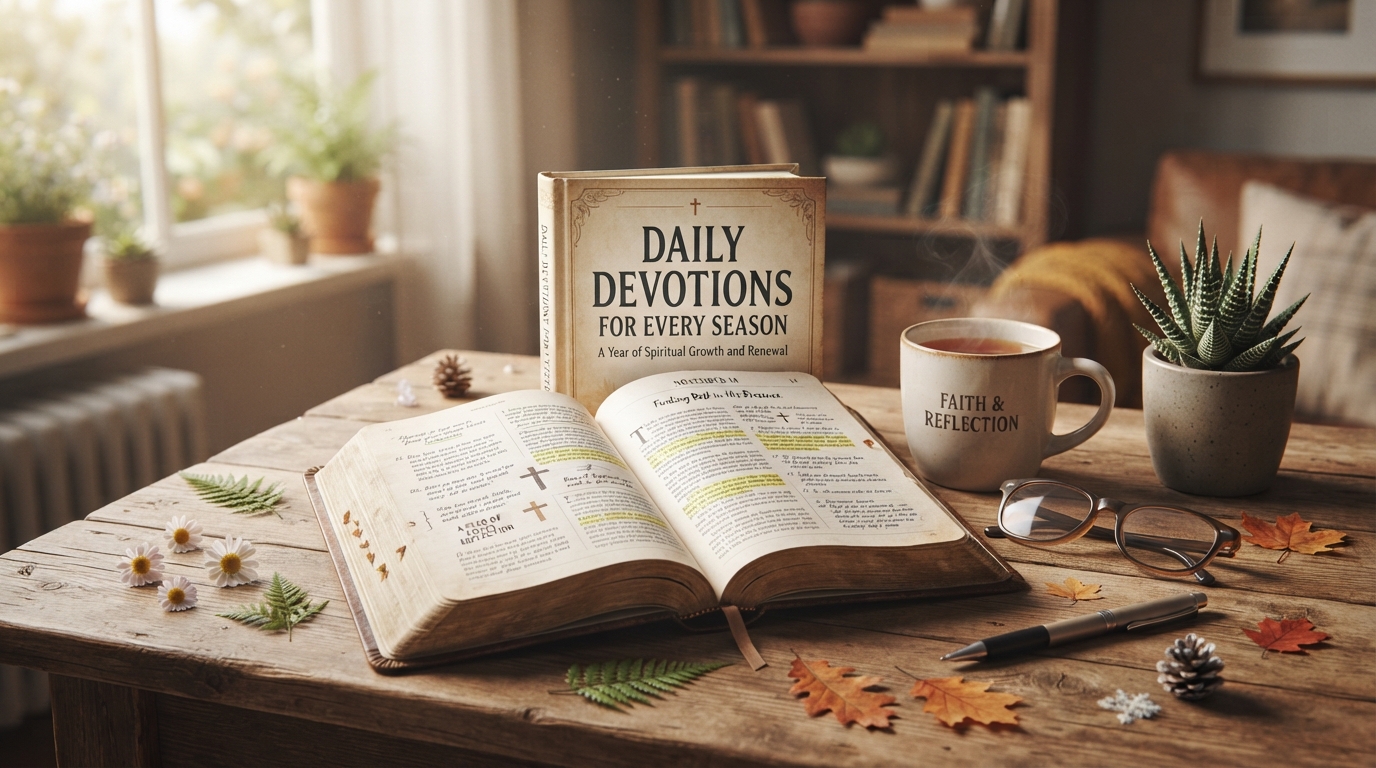
Life moves through seasons. Not just the calendar ones — but spiritual ones too. Some months feel bright and productive, while others are heavy with waiting or loss. Your devotional life doesn’t have to look the same every day. In fact, it shouldn’t. A rigid routine often breaks under pressure. But when you let your prayer and Scripture time adapt to each season, it becomes something sustainable — and deeply nourishing.
That’s exactly what this guide is for. We’re walking through both literal seasons (spring, summer, fall, winter) and spiritual seasons (waiting, growth, testing, rest) with specific daily devotions for every season. You’ll find actionable ideas, relatable examples, and honest encouragement to keep showing up — even when your heart feels far away.
If you’ve ever felt stuck in a devotional rut, or wondered why one Bible reading plan worked in January but flopped in July, you’re not alone. The key is flow, not force. Let’s unpack what that looks like, step by step.
Why Seasonal Devotions Matter for Your Faith
Think about how you eat, sleep, or exercise. You probably adjust based on the weather or your energy level, right? The same principle applies to your spiritual life. Trying to pray the same way, for the same length of time, in every circumstance often leads to burnout — or quitting altogether.
Seasonal devotions honor where you actually are. They give you permission to be honest with God about your tiredness, your excitement, your confusion, or your joy. This approach builds resilience because it’s rooted in grace, not guilt.
A devotional Bible study focused on lament might carry you through a hard winter, while a study on gratitude fits the harvest season of fall. Recognizing which season you’re in — spiritually and circumstantially — helps you choose the right devotional fuel.
Spring Devotions: New Life, Fresh Starts, and Hope
Spring in nature means thawing, blooming, and stretching toward the sun. Spiritually, spring seasons feel similar. Maybe you’ve come through a valley, and now you sense new energy. Or perhaps you’re stepping into a new role, a new season of parenting, or a fresh commitment to your faith.
In these times, your devotions can focus on:
- Resurrection themes — especially from the Gospels
- Stories of new beginnings (like Ruth, Paul’s conversion, or Peter’s restoration)
- Prayers of gratitude and anticipation
- Journaling prompts that ask: What new thing is God growing in me?
A great spring devotional habit is to spend 10 minutes outside with your Bible. Let the natural world reinforce the truth of renewal. Pair this with a short prayer thanking God for fresh mercies. If you want to dig deeper into the idea of spiritual growth during transition, check out our Christian living tips for navigating change.
Summer Devotions: Energy, Boldness, and Community
Summer often brings longer days, more social time, and a natural boost in energy. This is a powerful season to stretch your faith muscles. Devotions during summer can be more active, more outward-focused, and more adventurous.
Consider these approaches:
- Action-oriented prayers: Pray for boldness to serve, share your testimony, or start a small group.
- Scripture on the move: Listen to Psalms or Proverbs while walking or doing yard work.
- Community devotion: Invite one or two friends to do a short weekly study together in a park or coffee shop.
This is also a great time to explore the book of Acts. The early church moved fast, took risks, and relied on the Holy Spirit constantly. Let that energy fuel your own faith growth routine. The warmth of summer invites us to be generous with our time and love.
Fall Devotions: Reflection, Gratitude, and Letting Go
Fall has a quiet, sober beauty. Leaves fall. Temperatures drop. The year begins to wind down. Spiritually, fall seasons often ask us to release things — expectations, grudges, control, even relationships. It’s a season of harvest and surrender.
Your devotional time in fall can include:
- Gratitude lists: Write down three things God has done this year, no matter how small.
- Confession and release: Read Psalm 51 or Lamentations 3, then sit quietly and let go of anything heavy.
- Scripture memorization: Fall’s slower pace is perfect for hiding a verse in your heart.
For a deeper look at how reflection shapes our walk with God, browse our prayer and devotion resources. You’ll find tools for journaling, intercession, and stillness — all perfect for this season of the soul.
Winter Devotions: Waiting, Endurance, and Stillness
Winter can feel long. Days are short, and life slows down — sometimes painfully. Spiritually, winter might mean a season of waiting, unanswered prayers, or hidden growth underground. It’s tempting to abandon devotions when God feels silent, but winter is exactly when you need them most.
Winter-friendly devotions focus on:
- Short but consistent: Even 5 minutes of Scripture and a single sentence of prayer counts.
- Psalm of lament: Let the raw honesty of the psalmists give you words when you have none.
- Presence over productivity: Sit in silence with a candle and just breathe, asking God to be near.
One of my favorite winter practices is reading the Christmas narratives in mid-February. They remind me that light actually came into the darkness — and it’s still here. Endurance is built one small “yes” at a time. For more encouragement during hard seasons, check out our faith and inspiration articles.
A Quick Table: Devotional Focus by Season
Here’s a handy reference to match your devotion style with the season you’re navigating:
| Season | Key Theme | Best Bible Book | Prayer Focus |
|---|---|---|---|
| Spring | New beginnings | Gospels (John, Mark) | Gratitude & vision |
| Summer | Energy & action | Acts | Boldness & service |
| Fall | Reflection & release | Psalms, Ecclesiastes | Gratitude & surrender |
| Winter | Endurance & stillness | Lamentations, Job | Presence & trust |
Use this as a loose guide — not a rule. The Holy Spirit can meet you in any book of the Bible, in any weather. But having a general map helps you start without overthinking.
How to Build a Year-Round Devotional Habit Without Burning Out
The biggest mistake people make is trying to do a “perfect” quiet time every single day. That sets you up for failure. Instead, aim for faithful flexibility. Some days you’ll read three chapters. Other days you’ll just whisper “Jesus, have mercy.” Both count.
Here are a few principles that help:
- Keep it short when needed: A one-minute prayer is better than no prayer.
- Use the same time and place: Routine helps, but forgive yourself when you miss.
- Mix formats: Read a printed devotional, listen to an audio Bible, or watch a short teaching.
- Involve your senses: Light a candle, hold a stone, or sip tea while you pray.
And remember: devotions are about relationship, not performance. God isn’t grading you. He’s drawing you close. Let seasonal prayer habits be a gentle rhythm, not a heavy chain.
Frequently Asked Questions About Daily Devotions for Every Season
What is the best time of day for a seasonal devotion?
There’s no single “best” time. Morning works well for spring and summer when energy is high. Evening or midday fits fall and winter because it aligns with slower rhythms. Experiment and see what feels sustainable.
How long should a seasonal devotion be?
Quality matters more than length. Five to fifteen minutes is enough for most people. In harder seasons, two minutes of honest prayer is powerful. In seasons of abundance, you might enjoy 20–30 minutes. Let your capacity guide you.
Can I use the same devotional book all year?
Absolutely — if it’s flexible. Some devotionals are designed to work across seasons. But if you feel bored or disconnected, pick a topical devotional that matches your current season. Variety often renews focus.
What if I miss a day — or a whole week?
Grace, not guilt. Missing time doesn’t mean you’ve lost ground. Just pick up where you are. God isn’t keeping a scorecard. Your relationship is about connection, not perfection.
How do I know what spiritual season I’m in?
Ask yourself: How is my energy? What emotions are surfacing? What do I need most right now — hope, rest, direction, or courage? Your honest answers usually point directly to your season.
Should I include worship music in my devotion?
Yes, if it helps you focus. Many people find that a worship song at the beginning or end of their devotion opens their heart. Feel free to keep it simple — even humming a familiar hymn counts.
Can I adapt these ideas for my kids or family?
Definitely. Use shorter readings, pictures, or story-based Bibles for children. For family devotions, season-based themes work wonderfully — nature walks in spring, gratitude lists in fall. Make it interactive and keep it short.
Conclusion: Let Every Season Draw You Closer
Your faith doesn’t have to be a one-size-fits-all machine. It can be a living, breathing relationship that changes with the weather, the calendar, and the state of your heart. The beauty of daily devotions for every season is that they meet you exactly where you are — and gently guide you toward where God is leading.
Start small. Pick one season (literally or spiritually) and try one practice from this list. See how it feels. Adjust as you go. And above all, remember that the goal isn’t a perfect routine. It’s a real, ongoing conversation with the One who loves you through every season of life.
For more tools to support your walk, you might also enjoy exploring faith-based resources on bible prophecy and end times — a fascinating area that can deepen your perspective on God’s bigger story. And if you ever need a fresh mental boost to stay consistent with your habits, confira esta opção for cognitive support; a sharper mind can really help you stay focused during prayer and study.