The Ultimate Guide to Understanding Biblical Symbols
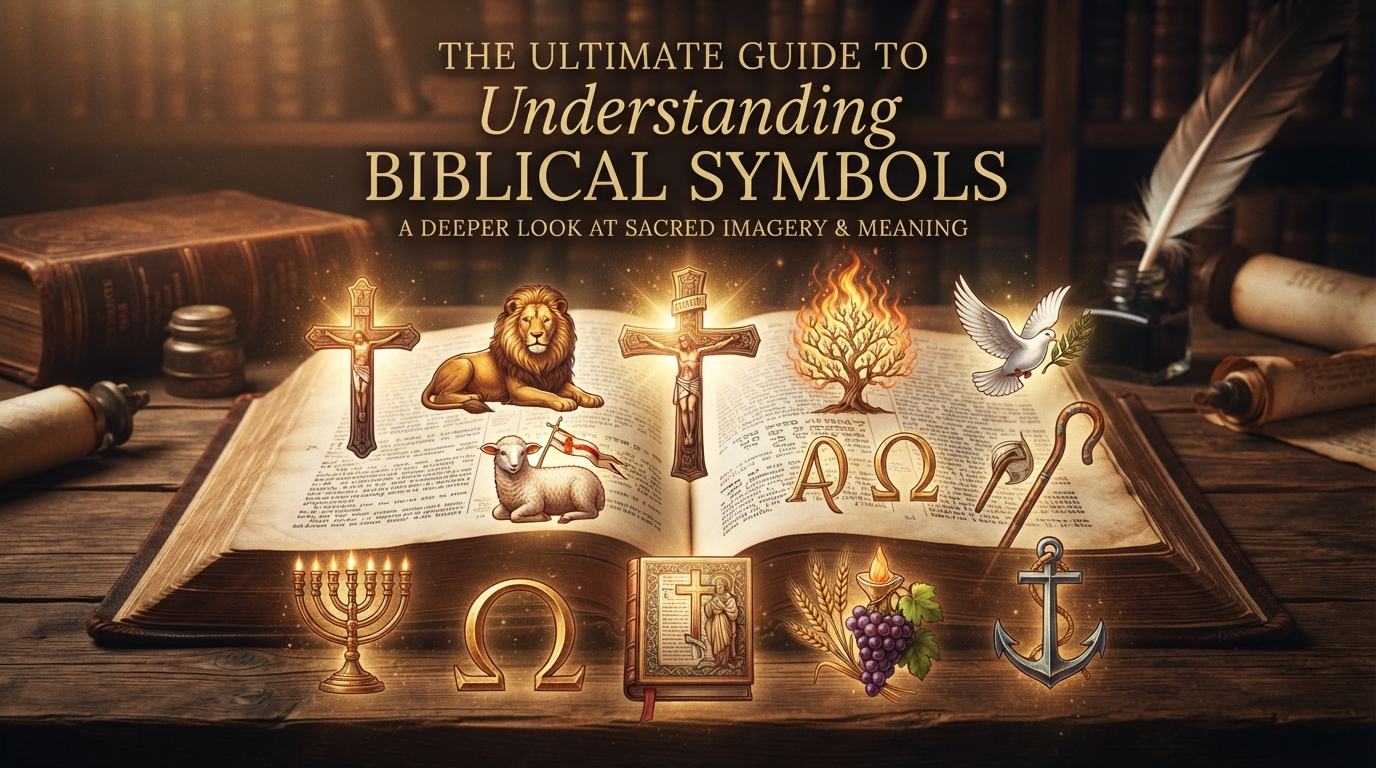
The Bible is a treasure chest of spiritual truths. But sometimes, the lock feels complicated. That is where symbols come in.
Scripture is filled with vivid imagery—from fiery serpents to four-headed beasts. These are not just decoration. They carry deep meaning. If you are ready to go beyond surface-level reading, you are in the right place.
This guide walks you through the core principles of understanding biblical symbols. You will learn how to interpret prophecy, decode dreams, and spot patterns across the Old and New Testaments. Let us dive in.
Why Biblical Symbols Matter for Your Faith Walk
Symbols are God’s language. Jesus taught in parables. Prophets spoke in visions. Even the tabernacle was built as a “copy and shadow” of heavenly realities (Hebrews 8:5).
When you miss a symbol, you miss the weight of the message. For example, the lamb is not just a cute animal. It points directly to Jesus, the Lamb of God who takes away the sin of the world (John 1:29).
Understanding these signs deepens your relationship with Scripture. It also protects you from wild, private interpretations. If you are looking for practical ways to grow, check out our Bible study resources for step-by-step guidance.
The Golden Rule of Biblical Symbolism
Here is the most important rule: Scripture interprets Scripture. Never guess a symbol’s meaning based on culture or feelings alone. Let the Bible define its own terms.
For instance, the number 40 appears over and over: 40 days of rain, 40 years in the desert, 40 days of temptation. What does it mean? Read the context. In every case, 40 symbolizes a period of testing or preparation. The Bible sets the pattern.
Common symbols and their biblical definitions include:
- Water – cleansing, the Word, or the Holy Spirit (Ephesians 5:26)
- Fire – God’s presence, judgment, or purification (Hebrews 12:29)
- Leaven – sin or false teaching (1 Corinthians 5:6-8)
- Oil – the Holy Spirit (Zechariah 4, Matthew 25)
- White robes – righteousness and victory (Revelation 7:14)
Keep a journal. Write down where a symbol appears first in the Bible. That first mention often sets the tone for the rest of Scripture.
Decoding Symbols in Biblical Prophecy
Prophecy is the most symbol-heavy genre in the Bible. Books like Daniel, Ezekiel, and Revelation overflow with wild imagery. Many readers get stuck here, but the key is consistency.
Take the “beast” in Revelation. It draws directly from Daniel’s four beasts (Daniel 7). Both represent kingdoms or political powers. Understanding the original context unlocks the meaning of end-times prophecy.
The same applies to the “dragon.” In Revelation 12, the dragon is clearly identified as Satan (verse 9). The woman is Israel, and the male child is Jesus. The Bible interprets its own symbols for you when you pay attention to cross-references.
For a deeper look into the final days, explore our Bible prophecy and end times section—it connects all the dots.
How to Interpret Symbols in Dreams
God still speaks through dreams. Joseph, Daniel, and Joseph (Mary’s husband) all received divine guidance this way. But not every dream is a message. How do you tell the difference?
Biblical dream symbols follow the same rule: let Scripture define them. A “tree” in a dream might represent a person or kingdom (Daniel 4). A “rock” often points to Christ or strength (Psalm 61:2).
Ask three questions when decoding a dream:
- Does this symbol appear elsewhere in the Bible?
- What is the emotional tone of the dream?
- Does the interpretation align with God’s character?
If a dream contradicts Scripture, dismiss it. God never speaks against His Word. For more on staying spiritually grounded, check our Christian living tips for daily application.
Numbers and Colors: A Quick Reference Table
Numbers and colors carry consistent meaning throughout the Bible. Here is a handy table to help you while studying:
| Symbol | Meaning | Key Scripture |
|---|---|---|
| 3 | Divine perfection, resurrection | Matthew 12:40 |
| 7 | Completion, spiritual perfection | Genesis 2:2, Revelation 1:20 |
| 12 | God’s people (tribes, apostles) | Matthew 10:1, Revelation 21:12 |
| Red | Blood, atonement, sin | Exodus 12:7, Isaiah 1:18 |
| White | Purity, victory, righteousness | Revelation 3:5, 19:14 |
| Gold | Divine nature, royalty | Exodus 25:11, Revelation 21:18 |
Memorize these patterns. They will save you hours of confusion. When you see a “scarlet beast” or “golden lampstand,” you will know exactly what to look for.
Common Mistakes People Make When Interpreting Symbols
Even seasoned believers slip up. The biggest mistake is allegorizing everything. Not every detail is a symbol. Sometimes a mountain is just a mountain.
Another error is ignoring the historical context. The Bible was written to real people in real cultures. A symbol like a “fig tree” carried meaning for first-century Jews that we need to research today.
Finally, avoid sensationalism. Many online teachers link every symbol to modern politics. The mark of the beast is not a microchip—at least, not based on clear Scripture. Stay grounded in the text. For perspective on maintaining a healthy faith, browse our faith and inspiration articles.
Practical Tools for Deeper Study
Ready to put this into practice? Grab a concordance (or use an online Bible tool) and look up the word “lamb” across both Testaments. You will see the thread from the Passover lamb in Exodus all the way to the Lamb on the throne in Revelation.
Also, try reading through an entire book in one sitting. Prophetic books like Ezekiel flow better when you see the big picture instead of isolated verses. Symbols become clearer when you notice repeated phrases and imagery.
Finally, ask the Holy Spirit for guidance. Jesus promised that the Spirit would lead us into all truth (John 16:13). Study is a partnership—do your homework, but stay dependent on Him. If you are looking for a tool to sharpen your focus and mental clarity during study, confira esta opção to support a sharper, healthier mind.
Frequently Asked Questions About Biblical Symbols
1. What is the definition of a biblical symbol?
A biblical symbol is an object, person, number, or event that represents a deeper spiritual truth. Symbols are consistent across Scripture and are often defined by the Bible itself.
2. Can I interpret symbols using my own intuition?
No. Always base your interpretation on Scripture. The Bible is its own dictionary. Personal intuition can lead to error if it contradicts what God has already revealed.
3. Why does the Bible use so many symbols in prophecy?
Prophecy deals with future events and spiritual realities beyond human language. Symbols help convey complex truths. They also reward diligent study and hide truths from the proud (Matthew 13:10-13).
4. Are dreams today as important as biblical dreams?
Dreams can still carry messages, but they must align with Scripture. The Bible is our final authority. If a dream contradicts God’s Word, it is not from Him.
5. How do I know if I am forcing a meaning onto a symbol?
Check your interpretation against clear passages. If you have to twist a verse to make it fit, stop. Let the Bible speak for itself. Good interpretation is humble and open to correction.
6. What is the hardest biblical symbol to understand?
Many readers struggle with the beast in Revelation. The key is going back to Daniel 7. The beast combines multiple symbols from Daniel, and Revelation builds on that foundation.
7. Can symbols have more than one meaning?
Yes, but within limits. For example, “water” can mean the Word, the Spirit, or cleansing depending on context. Always check the surrounding verses to determine which meaning fits best.
8. Where should I start if I am new to symbol study?
Start with a small symbol like “bread.” Trace it from Genesis to Jesus saying “I am the bread of life.” This exercise trains your eye to see patterns across the whole Bible.
Conclusion
Understanding biblical symbols is not a secret code reserved for scholars. It is a skill any believer can learn. The rules are simple: let Scripture interpret Scripture, pay attention to context, and stay humble before God.
Start small. Pick one symbol this week and trace it through your Bible. You will be amazed at how the pieces fit together. The more you study, the clearer God’s voice becomes.
Remember, the ultimate goal is not just knowledge—it is transformation. Let the symbols draw you closer to the One they all point to: Jesus Christ.
If this guide helped you, share it with a friend who loves digging deeper into the Word. And do not forget to check out our prayer and devotion section to complement your study time with prayer.