Why Faith Is More Important Than Ever in 2026

We’re living through a season of rapid change. Technology is advancing faster than our ethics can keep up, global tensions are rising, and many people feel unmoored. In the middle of all this noise, one question keeps surfacing: does faith still matter?
The short answer is yes—and maybe more than ever. In 2026, faith isn’t just a Sunday morning ritual. It’s a lifeline. It’s the anchor that keeps you steady when the ground beneath you starts shaking. Let’s explore why faith in 2026 isn’t optional—it’s essential.
Faith Restores Clarity in a Confusing World
Information overload is real. Every day, we’re bombarded with conflicting news, opinions, and trends. It’s easy to feel paralyzed, unsure of what’s true or what matters. Faith cuts through that confusion.
When you ground your life in Scripture, you gain a framework for decision-making. You stop chasing every new idea and start filtering everything through God’s truth. This clarity isn’t about having all the answers—it’s about knowing the One who does.
If you’re looking for practical guidance, check out our Bible study resources to help you build that foundation.
Spiritual Resilience Helps You Weather Uncertainty
Economic ups and downs, health concerns, and personal setbacks are part of life. But without a strong spiritual core, these challenges can knock you flat. Faith builds resilience—not the fake-it-till-you-make-it kind, but the deep, quiet strength that comes from trusting God.
Here’s what spiritual resilience looks like in practice:
- Praying through anxiety instead of numbing it with distractions
- Reading Scripture when you feel lost, not just when you feel good
- Staying connected to a community of believers who lift you up
- Choosing gratitude even when circumstances don’t make sense
This kind of endurance doesn’t happen overnight. It’s cultivated through consistent prayer and devotion.
Faith Provides a Moral Compass in a Relativistic Age
We’re told to “live your truth” and “follow your heart.” But the Bible warns us that the heart is deceitful (Jeremiah 17:9). Without an external standard, right and wrong become fuzzy. Faith gives you a fixed moral compass.
When culture shifts its values every few years, you can stand firm on what never changes: God’s Word. This doesn’t make you judgmental—it makes you grounded. And in a world desperate for direction, grounded people are a beacon.
Biblical Hope Is Different from Optimism
Optimism says, “I hope things get better.” Biblical hope says, “I know God is working, even if I can’t see it yet.” That’s a massive difference. Optimism depends on circumstances; biblical hope depends on God’s character.
In 2026, when headlines are grim and the future feels uncertain, this kind of hope doesn’t waver. It’s not wishful thinking. It’s a confident expectation rooted in the resurrection of Jesus Christ. For more on how this plays out in daily life, explore our Christian living articles.
Community Keeps You From Walking Alone
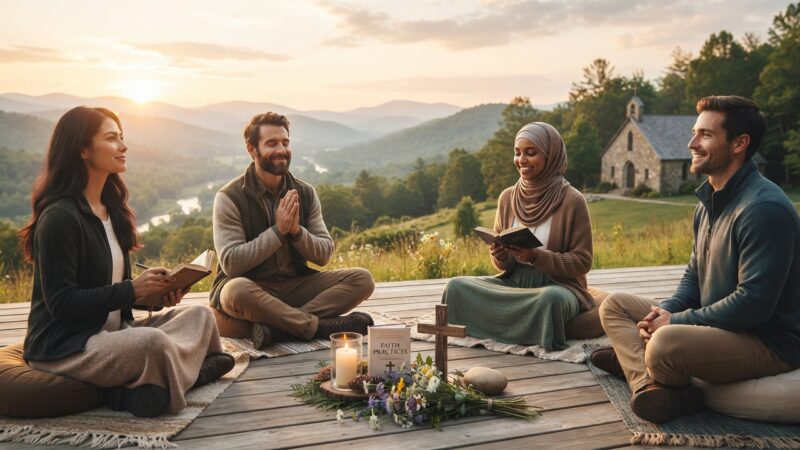
Faith was never meant to be a solo journey. The early church met in homes, shared meals, and carried each other’s burdens. That same principle applies today. You can’t thrive spiritually in isolation.
Whether it’s a small group, a Sunday service, or an online fellowship, staying connected matters. When your faith feels weak, others can carry you. When it’s strong, you can lift someone else. That mutual support is one of the most practical expressions of Christian living.
Faith Anchors Your Identity in a Performative World
Social media has turned life into a highlight reel. We compare, compete, and constantly feel like we’re not enough. Faith breaks that cycle. It reminds you that your worth isn’t tied to likes, followers, or achievements.
You are loved because God chose you—not because you performed well. That’s liberating. When you truly internalize that, you stop living for applause and start living for purpose. It’s one of the most counter-cultural things you can do in 2026.
Practical Steps to Strengthen Your Faith This Year
If you want to see faith become more central in your life, start small. Here’s a quick comparison of simple practices and their benefits:
| Practice | Benefit |
|---|---|
| Daily 10-minute prayer | Reduces anxiety and increases peace |
| Read one chapter of the Bible | Builds knowledge and spiritual discernment |
| Join a weekly small group | Provides accountability and encouragement |
| Practice gratitude journaling | Shifts focus from problems to blessings |
Consistency matters more than intensity. Five minutes a day is better than two hours once a month. And if you’re looking for something to help sharpen your focus during prayer or study, this tool for mental clarity might be worth considering.
Looking Ahead with Confidence
The future holds unknowns. But faith doesn’t require a roadmap—it requires a relationship. As 2026 unfolds, you can face whatever comes not with fear, but with quiet confidence. Because you know who holds tomorrow.
For deeper insight into what the future may hold from a biblical perspective, take a look at our study on Bible prophecy and end times.
Frequently Asked Questions
1. What does “faith in 2026” mean practically?
It means trusting God with your decisions, your fears, and your future—especially when the world feels unstable. It’s active, daily trust.
2. Is faith still relevant in a modern, scientific world?
Yes. Faith and science answer different questions. Science explains the “how”; faith explains the “why.” Many top scientists throughout history have also been people of deep faith.
3. How can I strengthen my faith if I feel distant from God?
Start by being honest with God about how you feel. Then revisit the basics: prayer, Scripture, and community. Even small steps rebuild connection over time.
4. What does the Bible say about faith in hard times?
Hebrews 11:1 defines faith as “confidence in what we hope for and assurance about what we do not see.” James 1:2-4 adds that trials produce perseverance—so your faith can grow through hardship.
5. Can I have faith without going to church?
Personal faith is real, but it grows best in community. The Bible encourages believers not to give up meeting together (Hebrews 10:25). Even online groups can help.
6. How does faith help with anxiety and mental health?
Prayer reduces stress, Scripture provides perspective, and community offers support. Faith doesn’t replace professional help, but it complements it powerfully.
7. What’s the biggest myth about faith in 2026?
That faith is just for weak people. In reality, it takes immense courage to trust God when you can’t see the outcome. Faith is strength, not weakness.
Conclusion: Your Faith Is Your Foundation
In a world that changes every second, faith is the one thing that doesn’t have to shift. It’s your anchor, your compass, and your source of peace. The importance of faith in 2026 can’t be overstated—not because the world is getting easier, but because it’s getting harder.
Don’t wait for a crisis to strengthen your faith. Start today. Open your Bible. Say a prayer. Reach out to a believer. You’ll be amazed at how much steadier you feel when your foundation is secure.
If this article encouraged you, explore more in the Faith and Inspiration category—you’re not alone on this journey.