10 Revelation Chapters Every Christian Should Study
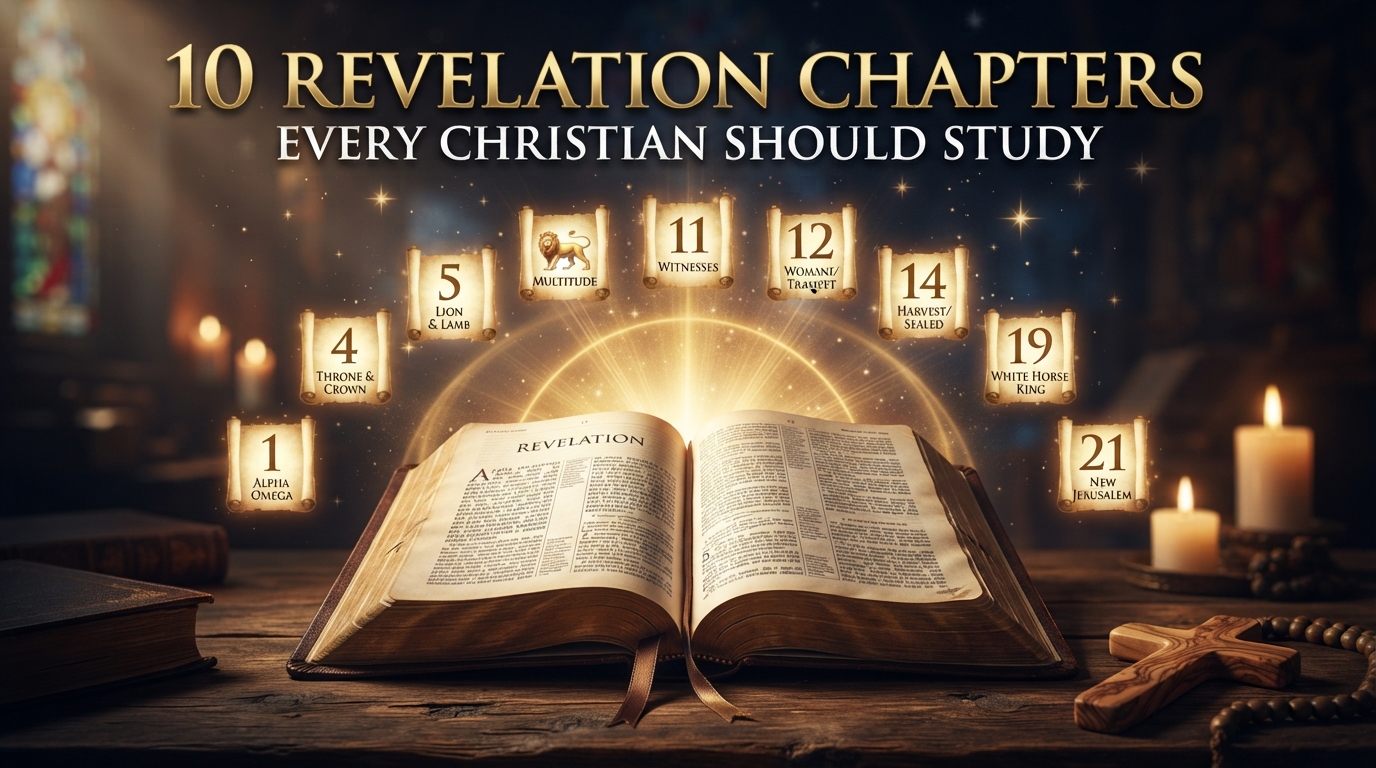
The Book of Revelation can feel intimidating. Between the strange creatures, the seals, and the bowls of wrath, many Christians avoid it altogether. But here’s the truth: Revelation isn’t meant to confuse you—it’s meant to give you hope. It reveals Jesus Christ in His full glory and shows how God’s plan for redemption will finally unfold.
If you want to grow in your understanding of Bible prophecy and end times, focusing on key chapters is a smart strategy. That’s why I’ve put together this guide on the Revelation chapters every Christian should study. These passages will strengthen your faith, clarify confusing symbols, and help you see the bigger picture of God’s kingdom.
Let’s dive in.
1. Revelation Chapter 1: The Vision of the Glorified Christ
This is the foundation of the entire book. John, exiled on the island of Patmos, receives a direct vision from Jesus. The opening verses promise a blessing to everyone who reads, hears, and keeps the words of this prophecy.
What makes this chapter essential? You meet Jesus not as the humble carpenter, but as the exalted King—with eyes like fire, feet like bronze, and a voice like rushing waters. This image reshapes how you see His authority over history.
Pay attention to verse 19: “Write therefore the things that you have seen, those that are and those that are to take place after this.” That’s the outline for the whole book—past, present, and future.
2. Revelation Chapter 4: The Throne Room of Heaven
After the letters to the seven churches, John is invited up to heaven. What he sees is breathtaking: a throne, a rainbow, twenty-four elders, and four living creatures crying “Holy, holy, holy.”
This chapter shifts your perspective from earthly troubles to heavenly reality. When you study end-times prophecy, it’s easy to get caught up in fear. But chapter 4 reminds you that God is seated on the throne—sovereign, worthy, and in control.
Meditate on the worship described here. It’s a powerful model for your own prayer life and devotion. For more on cultivating that kind of intimacy with God, check out our prayer and devotion resources.
3. Revelation Chapter 5: The Lamb Who Is Worthy
This is one of the most moving chapters in the Bible. John weeps because no one can open the scroll—until the Lamb appears, looking as though it had been slain. The entire heaven erupts in praise.
Why study this chapter? It connects the cross directly to the end times. The Lamb’s sacrifice is the reason redemption is possible. Without chapter 5, the judgments that follow would feel like random punishment. With it, you understand they’re part of a righteous plan.
The song “Worthy is the Lamb” becomes more meaningful when you grasp its context in this heavenly scene.
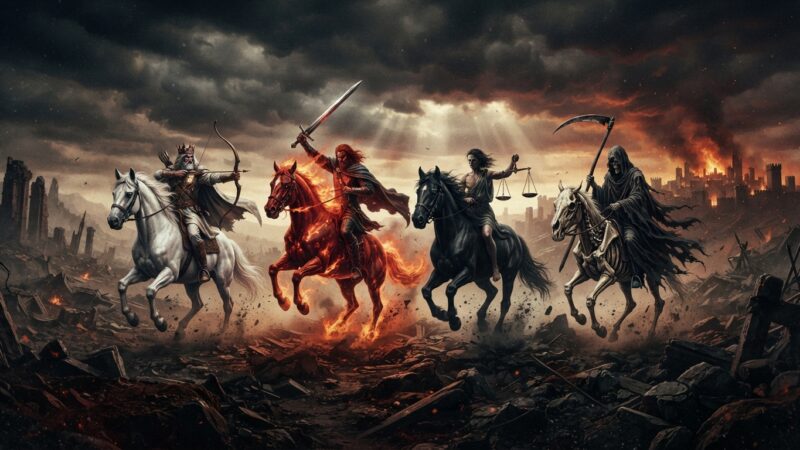
4. Revelation Chapter 6: The Four Horsemen of the Apocalypse
Here’s where things get intense. The Lamb opens the first six seals, and out ride the four horsemen: conquest, war, famine, and death. These symbols have been analyzed for centuries, and they still resonate today.
This chapter is crucial for any end-times prophecy guide. It shows that judgment doesn’t happen randomly—it unfolds according to God’s timeline. Each seal brings the world closer to its ultimate destiny.
Notice the cry of the martyrs under the altar in verse 10: “How long, O Lord?” That question is asked by believers in every generation. Their patience becomes a lesson for your own walk.
5. Revelation Chapter 7: The 144,000 and the Great Multitude
Right in the middle of judgment, God pauses to seal His people. You get two groups here: 144,000 from the tribes of Israel, and a countless multitude from every nation, tribe, and language.
This chapter answers the question every believer asks: “Will God protect His people?” The answer is a powerful yes. Not necessarily from physical harm, but from spiritual separation. They are sealed as His own.
The scene of the great multitude worshiping before the throne is one of the most hopeful in all of Scripture. It points to a future where every redeemed person stands together, free from sorrow and pain.
6. Revelation Chapters 21–22: The New Heaven and New Earth
We’re grouping these two together because they form the grand finale. After all the judgments, the beast, the false prophet, and the final rebellion, God makes everything new. No more death, mourning, crying, or pain.
For a Christian Bible study chapters focus, these chapters are non-negotiable. They reveal the ultimate purpose of history: God dwelling with His people forever. The city is described in stunning detail—jasper, gold, pearl, and the river of life flowing from the throne.
Verse 22:20 is a personal invitation: “He who testifies to these things says, ‘Surely I am coming soon.’ Amen. Come, Lord Jesus!” That’s the posture every believer should have—expectant and ready.
If you want to deepen your understanding of how prophecy shapes daily faith, visit our Bible study section for more practical guides.
7. Revelation Chapter 13: The Beast and the False Prophet
This chapter is often the most debated. Two beasts appear—one from the sea, one from the land. They represent political power and religious deception working together against God’s people.
Understanding Revelation 13 helps you recognize patterns of deception in any era. The mark of the beast is a serious topic, but don’t get sidetracked by speculation. The key takeaway is perseverance and faithfulness (verse 10).
This chapter also connects to broader Bible prophecy and end times themes found in Daniel and the Gospels. It’s a sobering reminder that opposition to God will intensify, but it will not win.
8. Revelation Chapter 12: The Woman, the Dragon, and the War in Heaven
This is a cosmic drama. A woman clothed with the sun, a red dragon with seven heads, and a child who will rule the nations. It’s a symbolic retelling of the entire biblical narrative—from Eden to the end.
The woman represents God’s faithful people. The dragon is Satan. The child is Jesus. This chapter shows that behind earthly conflicts, a spiritual war is raging. It also reveals that Satan is already defeated—he was thrown down from heaven.
Verse 11 is a powerful encouragement: “They conquered him by the blood of the Lamb and by the word of their testimony.” That’s your victory, too.
9. Revelation Chapter 20: The Millennium and Final Judgment
Few chapters generate as many different interpretations. Satan is bound for a thousand years, saints reign with Christ, and then the final rebellion happens before the great white throne judgment.
Whether you’re premillennial, amillennial, or postmillennial, this chapter demands study. It clarifies that evil has an expiration date. The lake of fire is not a metaphor—it’s a real judgment for the devil and his followers.
But the highlight is verse 12: the books are opened, and everyone is judged according to what they have done. For believers, your name is written in the Lamb’s book of life. That’s the ultimate security.
To see how this hope transforms your daily decisions, explore our Christian living content.
10. Revelation Chapter 3: The Letter to the Church of Laodicea
You might be surprised to see a letter to a church on this list. But Revelation 3 contains the message to Laodicea—the lukewarm church. Jesus says, “I wish you were either cold or hot.”
Why include it here? Because this chapter is a mirror for every generation. It’s easy to become complacent, self-sufficient, and spiritually blind. Jesus stands at the door and knocks. He wants to come in and dine with you.
This chapter is a call to examine your own heart. Are you passionate or indifferent? The good news is that He doesn’t give up on you. He disciplines those He loves.
Practical Tips for Studying Revelation
Don’t rush. Revelation is rich with symbolism, and a chapter-a-day approach helps you absorb it. Keep a notebook to write down what you learn and what questions come up.
Use a reliable study Bible with cross-references. Many prophecies in Revelation quote Old Testament books like Daniel, Ezekiel, and Zechariah. Understanding those connections makes the symbols clearer.
Pray before you read. Ask the Holy Spirit to guide your understanding. Revelation is a spiritual book, and it requires spiritual discernment.
Key Symbols in Revelation at a Glance
| Symbol | Meaning | Key Chapter |
|---|---|---|
| Lamb | Jesus Christ, the sacrificed and risen King | 5 |
| Dragon | Satan, the ancient serpent | 12 |
| Beast | Antichrist political power | 13 |
| 144,000 | Sealed servants of God from Israel | 7 |
| New Jerusalem | Eternal dwelling of God with His people | 21 |
How This Study Builds Your Faith
Studying Revelation isn’t just about predicting the future. It’s about knowing Jesus more deeply. Every chapter reveals His character—His justice, mercy, patience, and glory.
When you understand where history is headed, your priorities shift. Eternal perspective changes how you handle stress, relationships, and even your career. You start living with purpose and hope.
If you’re looking for more inspiration to stay steady in your walk, our faith and inspiration articles can encourage you along the way.
Frequently Asked Questions About Revelation
1. Is the Book of Revelation hard to understand?
It can be challenging because of its symbolic language. But with prayer, study tools, and a willingness to learn, it becomes accessible. Start with the chapters listed here, and build from there.
2. Should I interpret Revelation literally or symbolically?
Most scholars agree that Revelation uses a mix of both. Some passages describe literal events (like the return of Christ), while others use symbols to convey spiritual truths. Context is key.
3. What is the main message of Revelation?
The main message is that Jesus Christ is victorious. He will return, judge evil, and establish His eternal kingdom. Believers are called to remain faithful through trials.
4. Are the 144,000 literal people?
Different traditions interpret this differently. Some see them as literal Jewish evangelists during the tribulation. Others see them as symbolic of the complete number of God’s faithful people. Either way, the point is God protects His own.
5. Does Revelation teach a pre-tribulation rapture?
The Bible doesn’t use the word “rapture,” but Revelation describes believers being sealed before judgment. Different Christians hold different views on the timing. Study with an open mind and let Scripture guide you.
6. What happens to people who reject God in Revelation?
Revelation is clear that those who worship the beast and reject the Lamb face eternal separation from God in the lake of fire. It’s a sobering truth that emphasizes the urgency of sharing the gospel.
7. How can I apply Revelation to my daily life?
Focus on the promises: God wins, you are sealed, and a new creation awaits. Let that hope shape your prayers, your choices, and your courage. Also, stay prepared spiritually through consistent prayer and study. If you want a guided tool for mental clarity and focus during your study time, confira esta opção to support a sharper, healthier mind.
Conclusion
The Revelation chapters every Christian should study are not just academic exercises—they’re invitations. Each chapter calls you to worship, warns you to stay alert, and reassures you that God’s plan is unfolding perfectly.
Start with chapter 1 and work your way through these ten. You don’t need to have all the answers. You just need a willing heart and an open Bible. As you dig deeper into Bible prophecy and end times, you’ll find that the book ends not with fear, but with a wedding feast and a new beginning.
Come, Lord Jesus. Maranatha.