7 End Times Questions Christians Ask Most Often
If you’ve ever lain awake wondering what the future holds, you’re not alone. Christians have been asking End Times questions Christians ask most often for centuries. From the rapture to the mark of the beast, these topics stir both curiosity and concern.
In this article, we’ll tackle the seven most pressing questions about Bible prophecy. We’ll keep it grounded in Scripture, clear, and practical for your daily walk. Let’s dive into what the Bible really says about the end of the age.
1. When Will the End Times Begin?
This is probably the most common question in Bible prophecy discussions. Jesus Himself said in Matthew 24:36 that no one knows the day or hour—not even the angels. So anyone who sets a date is reading outside the lines.
Instead of a calendar, the Bible gives us signs of the end times: earthquakes, wars, famines, and a rise in lawlessness (Matthew 24:7–12). These aren’t meant to scare us but to keep us alert and faithful.
If you’d like to dig deeper into the prophetic timeline, check out our Bible Prophecy and End Times category for more detailed studies.
2. Will Christians Go Through the Tribulation?
This question divides many believers. Some hold to a pre-tribulation rapture, while others believe the Church will endure at least part of the seven-year tribulation. The key verse is 1 Thessalonians 4:17, where Paul describes believers being “caught up” to meet the Lord in the air.
Regardless of your view, the promise remains: God will preserve His people. Revelation 3:10 says He will keep us “from the hour of trial.” That could mean protection through it or removal before it.
For a balanced study, explore our Bible study resources on this topic.
3. Who Is the Antichrist?
The Antichrist is a specific person described in 1 John 2:18 as one who denies the Father and the Son. In the Book of Revelation, he’s often linked to the beast from the sea (Revelation 13:1–10). He will deceive many with signs and wonders.
But here’s the thing: the spirit of antichrist is already at work today. Any teaching or movement that denies Jesus as the Messiah carries that same spirit. So while a final world leader is coming, we need discernment now.
4. What Is the Mark of the Beast?
Revelation 13:16–18 talks about a mark on the right hand or forehead, without which no one can buy or sell. The number 666 is the number of the beast. Many have speculated about microchips, vaccines, or digital currencies.
However, Scripture never says believers should fear this mark. It’s a sign of allegiance to the beast, and those who take it face judgment (Revelation 14:9–11). For now, focus on being sealed by the Holy Spirit—that’s your eternal security.
If you’re looking for practical ways to grow in discernment, our Christian living section offers helpful guidance.
5. Will There Be a Second Chance After Death?
Hebrews 9:27 is clear: “It is appointed for man to die once, and after that comes judgment.” The Bible doesn’t teach purgatory or reincarnation. What you do with Jesus in this life determines your eternity.
That’s why the urgency of the gospel is so real. The second coming of Christ will bring both rescue for believers and judgment for those who reject Him. Now is the time to share your faith.
6. What Is the Millennial Kingdom?
Revelation 20 describes a thousand-year reign of Christ on earth. During this time, Satan is bound, and believers reign with Jesus. This is a period of peace, justice, and fulfillment of Old Testament promises.
There are different views: premillennialism (literal 1,000 years), amillennialism (symbolic reign), and postmillennialism (church brings in the kingdom). No matter your interpretation, the main point is that Jesus wins and His Kingdom is eternal.
For a closer look at prophetic passages, our faith and inspiration articles can deepen your understanding.
7. How Should We Live While Waiting?
Jesus told a parable in Matthew 25 about ten virgins—five were wise and five were foolish. The wise ones kept their lamps full of oil. That’s the picture of readiness: active faith, prayer, and obedience.
Here are a few practical ways to stay ready:
- Read your Bible daily to understand prophecy in context.
- Pray for discernment to recognize deception.
- Share the gospel with urgency, knowing time is short.
- Live with hope, not fear—God is in control.
And if you’ve ever struggled with mental clarity or focus during Bible study, some believers find that tools like The Genius Wave can support a sharper, healthier mind as you dive deeper into Scripture.
Common Questions About the End Times (FAQ)
Will we know the Antichrist by name before the rapture?
Not necessarily. Many Christians throughout history thought certain leaders were the Antichrist. It’s better to focus on Christ’s return than on identifying the beast.
Is the rapture the same as the second coming?
No. The rapture (1 Thessalonians 4:17) is when believers meet Christ in the air. The second coming (Revelation 19:11–16) is when Jesus returns to earth to reign. They are separate events.
What does the Bible say about the new heaven and new earth?
Revelation 21 describes a new creation where God dwells with His people. No more tears, death, or pain. It’s the ultimate hope for every believer.
Can Christians lose their salvation during the tribulation?
This depends on your theological view. Most evangelical Christians believe in eternal security—once saved, always saved. However, Revelation does warn about perseverance for those who come to faith during that time.
How can I tell if a prophecy teacher is trustworthy?
Check if they stick to Scripture, avoid date-setting, and point to Jesus, not fear. Good teachers also admit what they don’t know. For more guidance, the dictionary definition of faith reminds us that faith is confidence in what we hope for—not in speculative timelines.
What are the seven seals in Revelation?
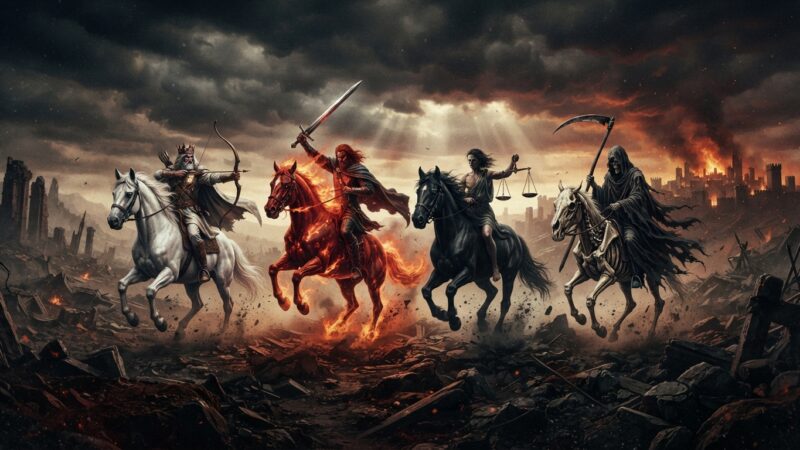
The seven seals (Revelation 6) are judgments opened by the Lamb. They include conquest, war, famine, death, martyrdom, cosmic disturbances, and finally silence in heaven before the seventh trumpet.
Is there a difference between the great tribulation and the tribulation?
Yes. The “great tribulation” (Matthew 24:21) refers to the final three and a half years of the seven-year tribulation, marked by unprecedented suffering.
Should we care about end times prophecy today?
Absolutely. Prophecy isn’t just about the future—it shapes how we live now. It gives us hope, urgency, and a desire to be holy. As 2 Peter 3:11 asks, “What kind of people ought you to be?”
Conclusion: Live Ready, Not Fearful
The End Times questions Christians ask most often can feel overwhelming, but the Bible doesn’t leave us guessing. God has given us prophecy to encourage, not to frighten. The Book of Revelation ends with Jesus saying, “Surely I am coming soon” (Revelation 22:20).
So stay rooted in Scripture, build your life on the rock of Christ, and keep looking up. Your redemption is drawing near. Don’t let fear steal your peace—let hope shape your tomorrow.
| Event | Key Bible Passage | Purpose |
|---|---|---|
| Rapture | 1 Thessalonians 4:17 | Believers meet Christ in the air |
| Tribulation | Matthew 24:21 | Judgment and refinement on earth |
| Second Coming | Revelation 19:11–16 | Christ returns to reign |
| Millennial Kingdom | Revelation 20:1–6 | 1,000 years of peace under Christ |
| New Heaven & Earth | Revelation 21:1–4 | Eternal dwelling with God |
If these topics have sparked your curiosity, spend time in our prayer and devotion section to ask God for wisdom. He promises to give it generously (James 1:5).