What Every Christian Should Know About Armageddon
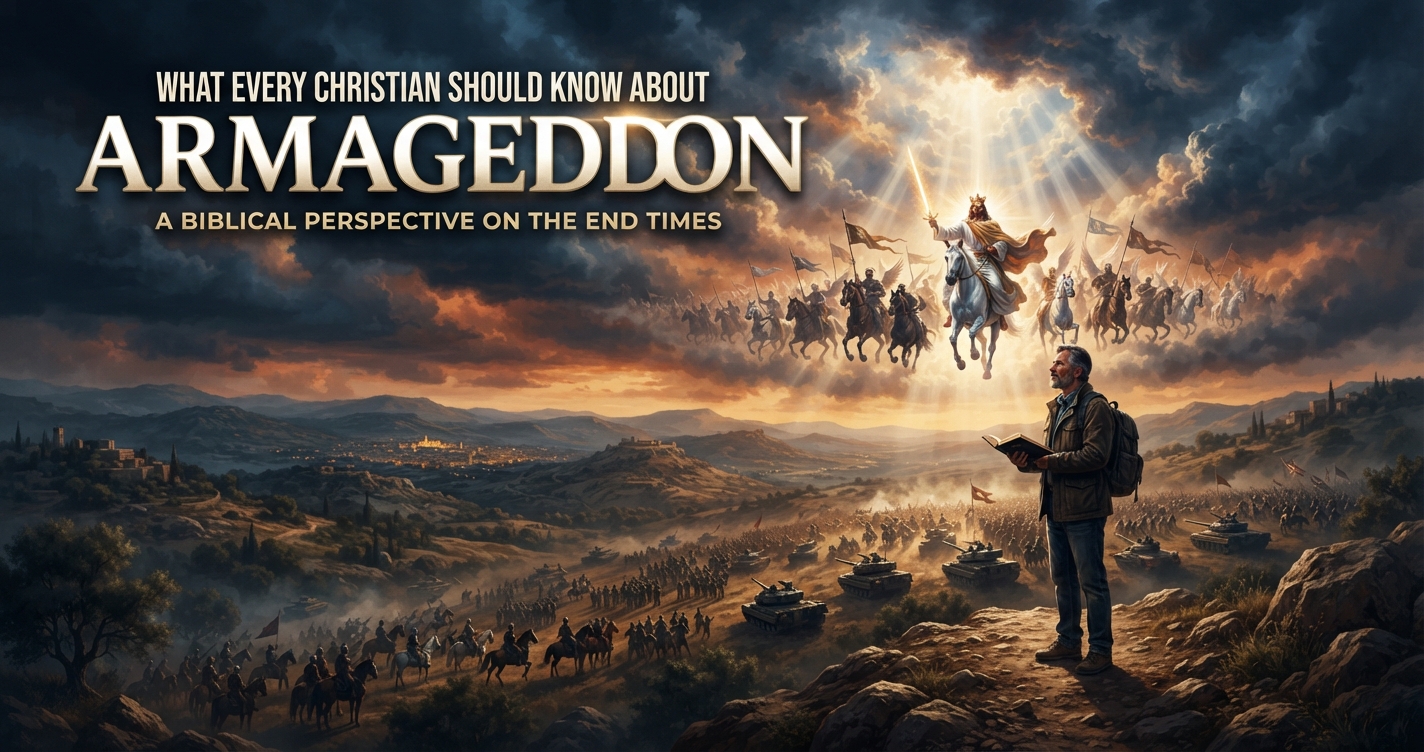
The word Armageddon stirs up vivid images: armies clashing, fire falling from the sky, and a final showdown between good and evil. But for Christians, this term holds far more weight than Hollywood action scenes. It is a real, prophetic event described in Scripture—specifically in the Book of Revelation.
Yet many believers carry misunderstandings about what Armageddon actually is. Is it a nuclear war? A single battle? A literal place? Let us step back from the sensationalism and dig into what the Bible really says. If you are serious about understanding end times prophecy, this article will give you a solid, biblically grounded foundation.
The Only Place Armageddon Appears in the Bible
Surprisingly, the word “Armageddon” appears only once in the entire Bible—in Revelation 16:16. The Apostle John writes: “Then they gathered the kings together to the place that in Hebrew is called Armageddon.” This single verse points to a gathering point for the final confrontation between the forces of good and evil.
The term comes from the Hebrew Har Megiddo, meaning “Mount of Megiddo.” Megiddo was an ancient city in northern Israel, strategically located on a plain that served as a battlefield for centuries. Understanding this location helps us see that Armageddon is not a global war zone—it is a specific gathering place.
What Actually Happens at Armageddon?
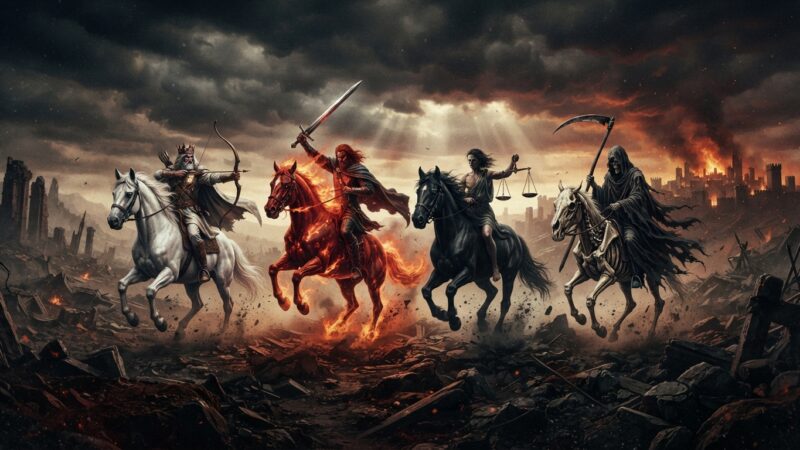
Many people think Armageddon is a single battle. In reality, it is the culmination of a series of events leading to Christ’s return. According to Revelation 19:11–21, Jesus returns as a conquering King on a white horse, leading the armies of heaven. He defeats the beast (the Antichrist) and the false prophet, who are thrown into the lake of fire.
This is not a battle where humans fight angels with swords and spears. It is a divine intervention. The armies gathered at Armageddon are consumed by the glory of Christ’s presence. The real conflict is spiritual, with Jesus executing judgment and establishing His kingdom.
For a deeper look at how this fits into the bigger picture of Scripture, explore the Bible Prophecy and End Times section of our site, where we cover the full timeline of last days events.
The Location and Its Historical Significance
The Megiddo valley sits at a crossroads between Africa, Asia, and Europe. For centuries, armies marched through this plain because it controlled major trade routes. Archaeologists have uncovered over 20 layers of ancient cities at Megiddo, each destroyed by war. This is why the area became a symbol of decisive conflict.
When John called it Armageddon, Jewish readers immediately understood the cultural weight. This was where Deborah and Barak defeated the Canaanites (Judges 5:19). It was also where King Josiah was killed in battle (2 Kings 23:29). The valley represents a place where human power meets divine purpose.
Today, the site is a peaceful national park in Israel. But prophecy tells us it will be the epicenter of the final rebellion against God. Understanding the Armageddon location helps ground our faith in real geography, not just abstract ideas.
Armageddon Is Not the End of the World
One of the most common misconceptions is that Armageddon means the end of the planet. The Bible is clear: this event is the beginning of a new era. After the defeat of evil, Christ establishes His millennial kingdom—a thousand-year reign of peace on Earth (Revelation 20:4–6).
Armageddon does not destroy the earth; it purifies it. God’s purpose is redemption, not annihilation. Believers who study end times prophecy find hope here, not fear. The battle of Armageddon is a victorious moment when God finally sets all things right.
If this theme of hope resonates with you, you may enjoy reading more in our Faith and Inspiration category, where we explore how prophecy strengthens our daily walk.
Key Signs Leading to Armageddon
Scripture outlines several events that precede Armageddon. Recognizing these helps us stay alert without becoming obsessed with dates. Here are the main signs:
- The rise of the Antichrist – A world leader who demands worship and breaks a peace treaty (Daniel 9:27).
- The Great Tribulation – A seven-year period of intense suffering and judgment (Revelation 6–16).
- The gathering of nations – Demonic spirits deceive the kings of the earth to assemble at Megiddo (Revelation 16:13–14).
- The mark of the beast – A global economic and religious system that forces allegiance to the Antichrist (Revelation 13:16–17).
These events are not random. They follow a divine calendar that God revealed to His servants the prophets. Understanding the Book of Revelation timeline helps us see how Armageddon fits as the climax of the Tribulation.
A Comparison of Common Views on Armageddon
Christians hold different interpretations of Armageddon based on their eschatological framework. Here is a simple table to clarify the main views:
| View | Timing of Christ’s Return | Key Emphasis |
|---|---|---|
| Premillennialism | Before the millennium | Literal battle, earthly reign of Christ |
| Postmillennialism | After the millennium | Gospel spreads, then Christ returns |
| Amillennialism | No literal millennium | Armageddon as spiritual victory |
No matter which view you hold, the core truth remains: Jesus wins. The Christian Armageddon meaning is not about decoding dates but about trusting God’s sovereignty over history.
How Should Christians Live in Light of Armageddon?
Prophecy is not meant to paralyze us with fear. It is meant to stir us to action. Knowing that Armageddon is coming should inspire us to share the gospel, strengthen our faith, and live with eternal perspective. Jesus Himself said, “Watch therefore, for you do not know on what day your Lord is coming” (Matthew 24:42).
One practical way to stay prepared is through consistent study and prayer. Many believers find that keeping a journal of biblical prophecies and their fulfillments helps them see God’s faithfulness. For recommended resources on sharpening your focus and mental clarity during study, confira esta opção for tools that support a sharper, healthier mind.
Also, make time to connect with a local church community. Studying prophecy alone can lead to imbalance, but discussing it with mature believers keeps us grounded. You can find more encouragement in our Christian Living section, which offers practical guidance for everyday faith.
Frequently Asked Questions About Armageddon
1. Is Armageddon a literal battle or symbolic?
Most conservative scholars believe Armageddon is both literal and symbolic. The gathering of armies at Megiddo is a real event, but the battle itself is ultimately a divine act where Christ defeats evil with the sword of His mouth (Revelation 19:15).
2. Will Christians go through Armageddon?
That depends on your view of the rapture. Some believe believers are taken to heaven before the Tribulation (pretribulationism). Others see Christians present during the Tribulation but protected from final wrath. Regardless, all agree that Christ protects His people.
3. What is the difference between Armageddon and the Battle of Gog and Magog?
The Battle of Gog and Magog (Ezekiel 38–39) happens before the millennial kingdom, involving a northern coalition against Israel. The final Gog and Magog rebellion (Revelation 20:7–10) occurs after the millennium, when Satan is released briefly. They are distinct events.
4. Does the word “Armageddon” mean anything in Hebrew?
Yes. As mentioned, it comes from Har Megiddo (Mount of Megiddo). Some scholars also note a possible connection to Har Moed (mountain of assembly), linking it to the place where rebellious spiritual powers gather.
5. How should I prepare for Armageddon spiritually?
Focus on your relationship with Jesus. Live in obedience, share the gospel, and stay rooted in Scripture. Prophecy is a compass, not a crystal ball. Your preparation is not about stockpiling supplies—it is about storing up treasure in heaven.
6. Is Armageddon mentioned in the Old Testament?
Not by name, but the valley of Megiddo appears in several Old Testament battles (Judges 5:19; 2 Kings 23:29). The prophetic imagery of a final battle is also found in Zechariah 12 and 14, where the Lord fights for Jerusalem.
7. Can I visit Armageddon today?
Yes. The archaeological site of Tel Megiddo is a popular tourist destination in Israel. It is a UNESCO World Heritage site. Visiting can deepen your understanding of biblical geography and history.
8. Does Armageddon involve nuclear weapons?
The Bible describes fire from heaven, not nuclear technology. While human armies may use advanced weapons, the ultimate destruction comes from God. Speculating about modern weapons distracts from the main point: God’s final victory.
Conclusion
Armageddon is not a movie script—it is a biblical promise. Understanding what every Christian should know about Armageddon helps us replace fear with faith. The battle is the Lord’s, and the outcome has already been written: Jesus wins. As you study prophecy, let it deepen your trust in God’s plan and your urgency to share His love with a world that needs hope.
Stay curious, stay grounded in Scripture, and keep your eyes on the King who is coming. For more resources on understanding prophecy, revisit our Bible Study category to continue learning with confidence.