How to Read the Book of Revelation With Confidence

Let’s be honest: the Book of Revelation can feel intimidating. Visions of beasts, seven seals, and cosmic battles often leave readers more confused than inspired. But here is the good news — you do not need a theology degree to understand it. With the right approach, anyone can read Revelation with clarity and confidence. This guide will walk you through practical steps to make this powerful book accessible and meaningful.
Start With the Right Mindset
Before you open the first chapter, pause and reset your expectations. Revelation is not a puzzle to crack or a news headline to decode. It is a letter of hope written to first-century Christians facing persecution. The apostle John wrote it to encourage believers, not to scare them. Approach it with curiosity and faith. If you are looking for more foundational Bible study resources, start there to build a strong base.
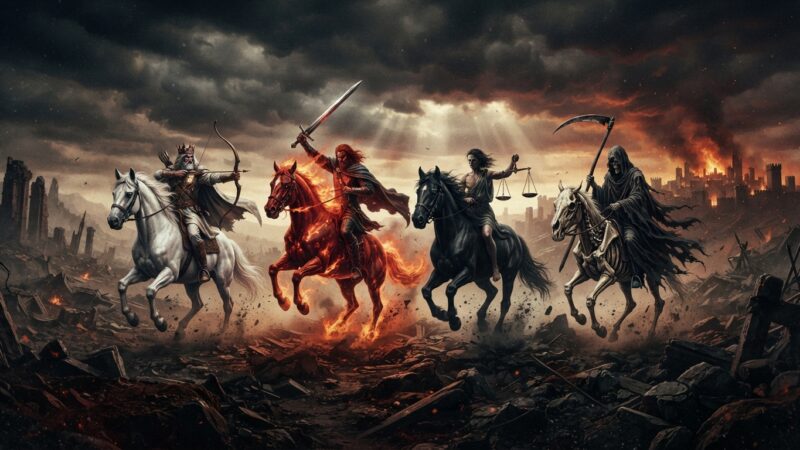
Remember that Revelation belongs to a genre called “apocalyptic literature.” This means it uses vivid imagery and symbolic language to convey spiritual truths. Think of it like a dream: the images are not literal, but they carry deep meaning. Keep this in mind as you read, and the text will begin to make much more sense.
Understand the Historical Context
One of the biggest mistakes readers make is ignoring the original audience. Revelation was written to seven real churches in Asia Minor (modern-day Turkey) around 95 A.D. These communities faced Roman oppression, economic hardship, and pressure to worship the emperor. John wrote to give them a heavenly perspective on their earthly struggles.
When you understand that the “beast” often referred to the Roman Empire, and the “mark of the beast” related to economic boycott, the symbols come alive. This historical lens transforms Revelation from a cryptic timetable into a message of divine victory for people under fire. For deeper insights on living out these truths, explore our Christian living section.
Spot the Key Symbols and Their Meanings
Revelation is filled with numbers, colors, and creatures that carry symbolic weight. Here is a quick list of common symbols you will encounter:
- The number 7: Completeness or perfection (7 churches, 7 seals, 7 trumpets)
- The number 12: God’s people (12 tribes, 12 apostles, 12 gates of the New Jerusalem)
- The number 1,000: A long, complete period (the millennium)
- White robes: Purity and victory of the saints
- The dragon: Satan or the forces of evil
- The Lamb: Jesus Christ, the sacrificial Savior
Once you recognize these patterns, the narrative flows naturally. Many of these symbols actually come from Old Testament books like Daniel, Ezekiel, and Zechariah. So keeping a Bible with cross-references handy will enrich your reading.
Use a Simple Interpretive Framework
Scholars have debated Revelation for centuries, but you do not need to pick a side to benefit from the book. A simple approach is to read it as a mix of three perspectives: what it meant to John’s original readers, what it reveals about Jesus Christ, and what it teaches about God’s ultimate plan for history.
Ask yourself three questions as you read each passage:
- What did this mean for first-century believers?
- What does this teach me about the character of God and Jesus?
- How does this inspire hope and action in my life today?
This method keeps you grounded and prevents wild speculation. It also helps you apply the message personally. If you want to deepen your personal time with God, check out our prayer and devotion articles for complementary practices.
Break Down the Structure Like a Play
Revelation is not a linear history book. It is more like a series of scenes that revisit the same events from different angles. Think of it as a drama with multiple acts. Here is a simple breakdown of the main sections:
| Section | Chapters | Main Theme |
|---|---|---|
| Prologue & Letters | 1–3 | John’s vision of Christ and messages to the seven churches |
| The Throne Room | 4–5 | God’s sovereignty and the Lamb worthy to open the scroll |
| The Seals, Trumpets, and Bowls | 6–16 | Judgment and cosmic conflict between good and evil |
| The Fall of Babylon | 17–19 | Victory over the world system opposed to God |
| The Millennium & New Creation | 20–22 | Final judgment, the new heaven and earth, and eternal hope |
Use this table as a roadmap. When you feel lost, refer back to the section you are in. This will help you see the big picture instead of getting stuck on one strange image. For more on how these end-time themes connect, visit our Bible prophecy and end times category.
Apply the Message to Your Own Faith Journey
Revelation is ultimately a book about worship and perseverance. The call to “overcome” appears again and again. John wanted readers to stay faithful even when the world seemed overwhelming. The same applies to you today. Whether you face personal trials, cultural pressure, or doubts about the future, Revelation reminds you that God is on the throne and Jesus has already won.
One practical way to keep your mind sharp and focused on these truths is through healthy habits that support mental clarity. Many readers find that a calm, focused mind helps them absorb Scripture better. If you are looking for a natural way to support sharper thinking during your study time, confira esta opção to see a tool that many find helpful.
Reading Revelation does not have to be a fearful experience. When you focus on Jesus, the central figure of the entire book, confusion turns into confidence. He is the Alpha and Omega, the beginning and the end. And he promises to be with you every step of the way.
Frequently Asked Questions
1. Is the Book of Revelation hard to understand?
It can be challenging because of its symbolic style, but with the right tools — like knowing the historical context and common symbols — it becomes much clearer. Start slow and use a study Bible with notes.
2. Should I read Revelation literally or symbolically?
Most passages use symbolic language. For example, Jesus is called a Lamb, not a literal animal. Read it as apocalyptic literature, which relies on metaphor to convey spiritual truth.
3. Who wrote the Book of Revelation?
The apostle John wrote it while exiled on the island of Patmos. It was addressed to seven churches in Asia Minor around 95 A.D.
4. What is the main message of Revelation?
The central message is that Jesus Christ is Lord over history, and he will ultimately defeat evil, restore creation, and dwell with his people forever. It is a message of hope, not fear.
5. How long does it take to read Revelation?
Reading aloud, it takes about 90 minutes to two hours. Reading it in one sitting can help you grasp the overall flow and emotional arc of the story.
6. Do I need to know the Old Testament to understand Revelation?
It helps significantly. Revelation contains hundreds of references to Old Testament books like Daniel, Isaiah, Ezekiel, and the Psalms. A good study Bible will point these out.
7. What does “the mark of the beast” mean?
In its original context, it likely referred to the Roman emperor’s stamp on coins or documents required for trade. It symbolizes loyalty to a worldly system opposed to God.
8. Can Revelation help me in my daily life?
Absolutely. It teaches perseverance, worship, and trust in God’s ultimate plan. It reminds you that no matter how chaotic the world looks, God’s kingdom is secure.
Conclusion
The Book of Revelation is not a locked door — it is an open invitation. When you approach it with the right mindset, an understanding of its symbols, and a heart focused on Jesus, you will discover a message of profound hope and victory. Do not let fear or confusion keep you from one of the most powerful books in the Bible. Start today, use the tools you have learned here, and read Revelation with the confidence that the One who holds the future is holding you too.
If you enjoyed this guide, explore more faith and inspiration content to continue growing in your spiritual journey.