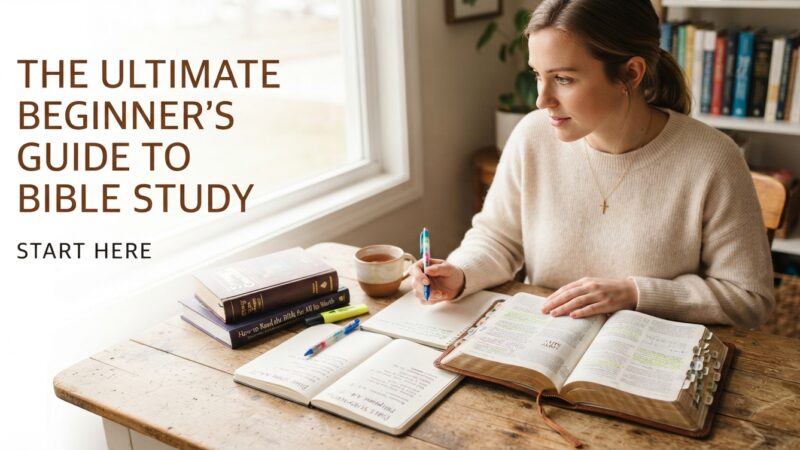
How to Study the Bible Effectively in 2026

Let’s be real: opening the Bible can feel overwhelming. With 66 books, ancient languages, and cultural contexts that feel a world away, knowing where to start—or how to go deeper—is a common struggle. But here’s the good news: learning how to study the Bible effectively in 2026 doesn’t require a theology degree. It just requires intention, the right tools, and a heart that’s ready to listen.
Whether you’re a new believer or someone who’s been walking with God for decades, this guide will give you fresh, practical Bible study methods that actually stick. We’ll blend time-tested techniques with modern resources, so your time in Scripture becomes something you look forward to—not another item on your to-do list.
Why Effective Bible Study Matters More Than Ever in 2026
We live in an age of distraction. Notifications, streaming, social media, and 24/7 news constantly compete for your attention. Yet the need for daily devotional habits anchored in truth has never been greater. The Bible isn’t just a book of rules; it’s a living conversation between God and His people.
When you study the Bible effectively, you’re not just gathering information. You’re building a foundation for your life. You’re learning to discern God’s voice, find peace in chaos, and grow in wisdom. That’s why mastering a solid scripture reading plan is one of the best investments you can make for your spiritual health.
As the Merriam-Webster definition reminds us, faith is a strong belief in God based on spiritual conviction rather than proof. That conviction is fueled by the time you spend in His Word.
Step 1: Choose a Bible Translation That Fits You
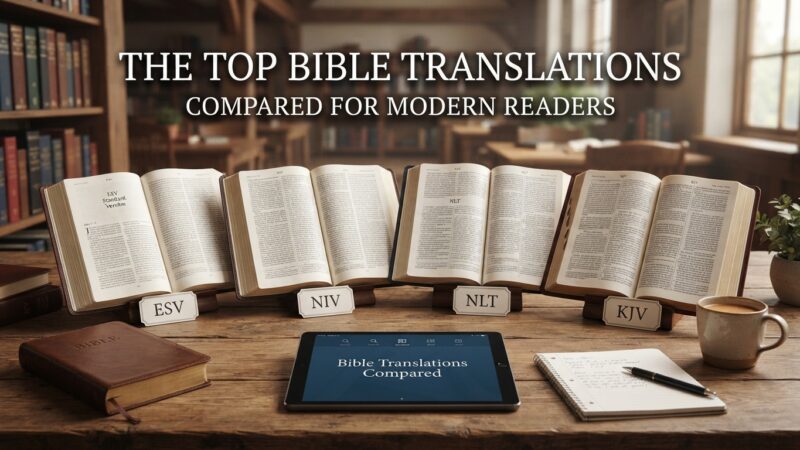
Not all Bibles are created equal—and that’s okay. The key is picking a translation you’ll actually read. For word-for-word accuracy, the NASB or ESV are great. For thought-for-thought readability, go with the NIV or NLT. If you love poetic language, the NKJV or KJV may be your sweet spot.
Here’s a quick comparison to help you decide:
| Translation | Style | Best For |
|---|---|---|
| ESV (English Standard Version) | Word-for-word | Deep study and accuracy |
| NLT (New Living Translation) | Thought-for-thought | Daily reading and understanding |
| NIV (New International Version) | Balanced | Devotion and general study |
| NASB (New American Standard Bible) | Literal | Verse-by-verse analysis |
| NKJV (New King James Version) | Formal but modern | Literary elegance and study |
Don’t overthink this. Pick one, start reading, and you can always switch later. The goal is to make Scripture accessible, not intimidating.
Step 2: Use the SOAP Method for Deeper Engagement
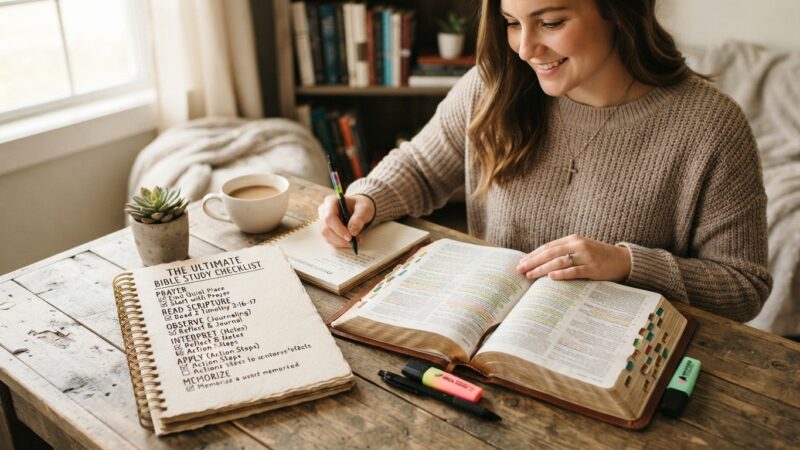
One of the most effective Bible study methods for beginners and veterans alike is the SOAP method. It stands for Scripture, Observation, Application, and Prayer. Here’s how it works:
- Scripture: Read a short passage—even just a few verses. Write it down.
- Observation: Ask: What does this text say about God, people, or the world?
- Application: Ask: How does this apply to my life right now?
- Prayer: Turn your thoughts into a conversation with God.
This structure keeps you from just skimming. It forces you to slow down and engage. Over time, you’ll notice patterns in Scripture and see how it speaks directly to your circumstances. That’s the real power of learning how to study the Bible effectively in 2026.
Step 3: Set a Simple but Consistent Reading Plan
Consistency beats intensity every time. You don’t need to read five chapters a day. Start with 10 minutes and one chapter. What matters is showing up. A good scripture reading plan could be chronological (following the biblical timeline), thematic (like “peace” or “grace”), or book-by-book.
Many free apps like YouVersion offer guided plans. You can also create your own using a notebook. The key is to make it doable, not perfect. Miss a day? No guilt. Just pick it back up tomorrow. That grace-filled discipline is at the heart of practical faith tips that actually last.
Step 4: Ask the Right Questions as You Read
Reading without asking questions is like eating without tasting. To study effectively, train yourself to ask three simple questions for any passage:
- What does this teach me about God’s character?
- What does it reveal about human nature?
- What is one truth I can apply today?
These questions turn passive reading into active discovery. They help you connect each verse to your own life and to the bigger story of redemption. If you’re looking to deepen your faith, this habit alone will transform your time in the Word.
Step 5: Incorporate Prayer Before and After
Before you open your Bible, pause and pray. Ask God to open your eyes to see wonderful things in His law (Psalm 119:18). Then, after you finish reading, thank Him for what you’ve learned and ask for help to live it out.
This turns your study into a two-way conversation. It’s not just about information; it’s about intimacy. For more on weaving prayer into your daily rhythm, don’t miss the resources on prayer and devotion over at Faith Journey. They’ll help you build a lifestyle of connection, not just a study habit.
Step 6: Use Digital Tools Wisely (But Stay Grounded)
In 2026, we have incredible resources at our fingertips. Bible apps, commentaries, cross-references, and original language tools are just a click away. They can enrich your understanding immensely. However, let the text itself be your primary teacher. Don’t let commentary replace your own reflection.
If you struggle with focus or mental clarity during study, some people find that certain tools help sharpen concentration and mental energy. For example, worth checking out is a resource designed to support a sharper, healthier mind—which can be a game-changer for staying present during your quiet time.
But remember: no app substitutes for the Holy Spirit’s guidance. Keep your heart open and your technology in check.
Step 7: Build Community Around Your Study
Studying the Bible is personal, but it’s not meant to be done alone. Find a friend, a small group, or an online community where you can share what you’re learning. Discussing Scripture sharpens your understanding and holds you accountable. You can explore Christian living resources to find practical ways to integrate community into your study life.
When you explain a verse to someone else, you often discover things you missed. That’s why small groups and discipleship relationships are so powerful. They turn study into transformation.
Frequently Asked Questions (FAQ)
1. How much time should I spend studying the Bible each day?
Start with 10–15 minutes. Quality matters far more than quantity. As you build the habit, you’ll naturally want to spend more time.
2. What is the best Bible for beginners?
The NLT or NIV are excellent choices. They’re readable but still accurate. Many also appreciate study Bibles that include notes and context.
3. Should I study the Old Testament or New Testament first?
Begin with the Gospels (Matthew, Mark, Luke, John) to get to know Jesus. Then move to the rest of the New Testament. Add the Old Testament gradually.
4. How do I stay consistent when life gets busy?
Set a specific time and place. Even five minutes in the morning counts. Use a simple plan and don’t aim for perfection—aim for presence.
5. Can I use my phone for Bible study?
Absolutely. Just be mindful of notifications. Use a dedicated Bible app and turn off distractions during your study time.
6. What if I don’t understand a passage?
That’s normal. Write down your questions, consult a trusted commentary, or ask a pastor. Sometimes the best response is simply to sit with the mystery and trust God.
7. How do I apply what I read to my daily life?
End each study session with one specific action step. It could be a prayer, a conversation, or a change in behavior. Application is where faith becomes real.
8. Where can I find more guidance on Bible study?
Visit the Bible study section at Faith Journey for articles, plans, and tools that will help you grow with confidence.
Conclusion: Your Journey Starts Today
Learning how to study the Bible effectively in 2026 is not about mastering a technique—it’s about meeting the living God on the pages of His Word. You don’t need to be perfect. You just need to show up with a humble heart.
Pick one method from this guide. Start tomorrow morning. Read a few verses, ask a question, talk to God, and write one thing down. That simple act, repeated daily, will change your life. And if you’re hungry for more inspiration and insights, the faith and inspiration articles are here to walk with you every step of the way.
Your Bible is open. The Spirit is ready. Go ahead—dive in.